
Emergency Water Damage In Florida
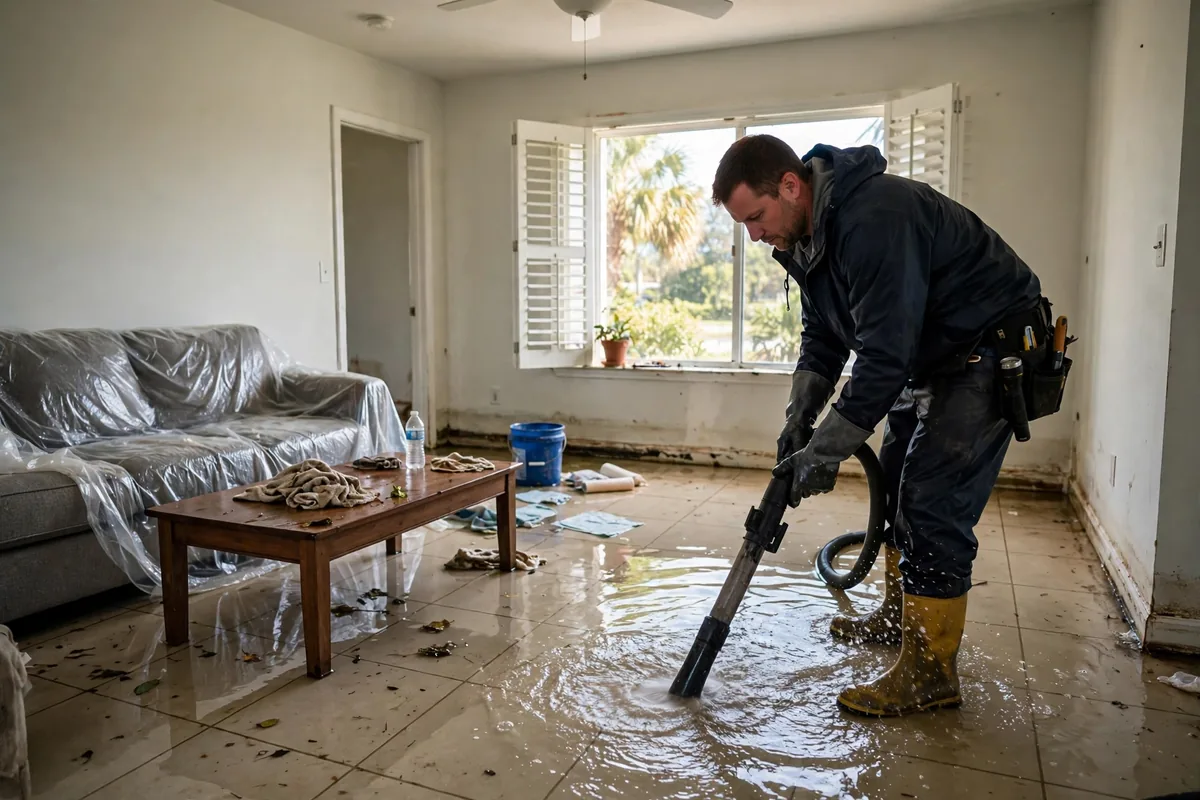
Emergency water damage in Florida rarely waits for business hours. A burst pipe, a sewage backup, or storm water coming through a damaged roof can soak drywall and flooring within the hour, and the damage keeps spreading until the water stops. This page is for the moment when water is moving right now and you need a local pro fast. Rapid Water Florida is a free referral service, not the contractor: one free call connects you with an independent local water damage pro in your area, and a connected pro can typically arrive in 30–60 minutes. While you wait, the steps below are the safe ones. They protect people and pets first, and they never ask you to enter flood water, touch anything electrical, or handle contaminated material yourself.
Danger First — Do These Now
If water is still spreading, work through this checklist before anything else. Skip any step that is not safe.
Stop The Water If You Can Do It Safely
If the water is coming from a pipe or appliance inside your home, and you can reach the main water shutoff — the valve that stops all water flowing into the house — without walking through standing water, turn it off. If the valve sits in a flooded area, near a wet electrical panel, or you are not sure where it is, leave it alone and tell the pro when you call. Stopping the source helps, but only when it is completely safe to do.
Keep People And Pets Out Of Flood Or Sewage Water
Flood water from outside and water from a backed-up sewer or drain can carry bacteria, chemicals, and sharp debris you cannot see. Keep children and pets out of any room with standing flood or sewage water, and do not wade through it to rescue belongings. Treat storm surge water and toilet or drain backups the same way: contaminated until a pro says otherwise. Clean tap water from a broken pipe inside the home is less risky, but stay alert for sagging ceilings and slippery floors.
Do Not Touch Electrical Panels Or Outlets In Wet Areas
Water and electricity are a dangerous mix. Never touch a breaker panel, an outlet, a power strip, or a plugged-in appliance while standing in water or with wet hands, and never unplug equipment that is sitting in water. If a breaker needs attention, it should only be reached from a completely dry spot — with any doubt at all, wait for the pro or your power company.
Move Dry Belongings And Documents Up High
From a dry, safe spot, move what you can reach without entering the water. Papers, photos, electronics, and dry soft furnishings can go onto tables, counters, or an upper floor, and small furniture can be lifted onto a dry surface if the path stays dry. Do not drag out soaked furniture or rugs: wet materials are surprisingly heavy, and flood or sewage water on them can be contaminated.
Take Photos From A Dry, Safe Spot
Clear photos and a short video help the pro understand the problem before arriving, and they help with any insurance claim later. Stand in a dry area and photograph the source of the water, the standing water, and anything already damaged — floors, walls, cabinets, and belongings. Do not enter flooded rooms or move contaminated items just for a better picture; a few clear photos from the doorway are enough.
Do I Have This Problem?
Tap every sign you see at home. This is a guide, not a diagnosis — only a pro can confirm the problem.
While You Wait For The Pro
While you wait, your job is safety and information — not cleanup. Stay out of rooms with standing flood or sewage water, and keep children and pets out as well. If water is still spreading from a source you could not shut off, note exactly where it is coming from so you can tell the pro the moment they arrive.
Use the time to gather a few useful facts: when you first noticed the water, where it started, whether it is clean tap water or water from outside, and whether anyone has been in contact with it. If you have an insurance policy, having the number nearby can help later, but do not delay the call to look for paperwork — stopping the water matters more.
If the path from your door to the affected room is dry, you can clear it so the pro can bring equipment straight in. If it crosses standing water, leave everything as it is. Do not run fans toward flood or sewage water, do not use a household vacuum on standing water, and do not tear out wet materials yourself — a pro will check what is actually wet first, including inside the wall cavity, the hollow space inside a framed wall where water hides.
What Happens After You Call
1. You Call — It’s Free
One free call, answered 24/7. Tell us where the water is and what happened. There is no charge for the call and no obligation to book anything.
2. We Connect You With An Independent Local Pro
We match your call with an independent local water damage professional who serves your area — a separate local business, not our own crew.
3. The Pro Calls You Back Or Visits To Check The Problem
The pro can typically arrive in 30–60 minutes to check the problem in person, measure the moisture and explain the next steps before any work begins.
After your free call, we connect you with an independent local pro who serves your part of Florida. The pro calls you back or visits to check the problem, and pros connected through this service can typically arrive in 30–60 minutes. On site, the pro first confirms the water source has stopped, then checks how far the water has actually spread.
That check matters because surfaces can look dry while materials underneath stay wet. A moisture meter — a handheld tool that measures how much water is inside wood, drywall, and other materials — shows what is wet inside the wall cavity and under the subfloor, the layer under your finished flooring. From those readings the pro explains a plan: removing standing water, structural drying — the planned drying of a building's framing, walls, and floors with air movement and dehumidification — and antimicrobial treatment, a cleaning product applied to surfaces to slow the growth of mold and bacteria, where the job needs it. You decide whether to hire the pro. The pro sets the price for any work, and any agreement is between you and the pro.
Emergency Types We See In Florida
Burst Pipe
It happens when a pressurized water pipe splits or fails and releases a large amount of water into a home in a short time. The break often starts inside a wall or under the concrete slab — the thick concrete floor most Florida homes sit on — and water keeps flowing until the supply is shut off.
Sewage Backup
This is when a sewer or drain line reverses and pushes waste water into a home through toilets, tubs, or floor drains. That water is contaminated, so the safe response is simple: keep everyone out of the room, stop running water and flushing, and call right away.
Storm And Flood Water
Storm surge — sea water pushed inland by a hurricane or tropical storm — along with flash floods and heavy rain, can push water into a home from outside within minutes. Water that has been outdoors can carry dirt, chemicals, and bacteria, so pros treat it as contaminated and handle drying differently from a clean pipe leak.
Roof Leak During A Storm
A roof leak lets water in through damaged or aging material overhead during wind and rain, often showing up as a ceiling stain far from where it got in. During a storm you cannot safely check the top of the house yourself — protect the room below from a safe spot and let a pro measure how far the water has spread.
Water Heater Failure
A water heater — the tank appliance that heats your household water — can rust with age and release its full contents at once, flooding a garage, closet, or utility room. If the tank is still draining and the shutoff valve is dry and easy to reach, closing it can limit the damage.
AC Condensate Overflow
An AC condensate overflow happens when the drain line of an air conditioner clogs and the drain pan spills over, sending water into ceilings, closets, and walls. It is one of the most common Florida emergencies because AC systems run most of the year, and the leak can drip for days before a stain shows.
Emergency Water Damage Questions
What Counts As A Water Damage Emergency?
Water that is actively spreading, backed-up sewage, or a pipe that is still flowing all count as emergencies. So does storm or flood water entering your home. If the problem is getting worse while you watch, treat it as an emergency and call now — a pro can check the full extent once the water stops.
How Fast Can A Pro Get To My Florida Home?
Pros connected through this free referral service can typically arrive in 30–60 minutes. Timing depends on your location, weather, and road conditions, and arrival is never a promise — but the line is answered 24/7, including nights, weekends, and holidays, so the process starts the moment you call.
Is It Safe To Stay In A Home With Standing Water?
It depends on the water and where it is. Stay out of rooms with flood or sewage water, and avoid any area where water is near outlets, appliances, or the electrical panel. If ceilings are sagging or any room feels unsafe, wait in a dry part of the home or outside until the pro checks it.
What Should I Do If A Toilet Or Drain Backs Up?
Stop using sinks, showers, and toilets, and keep people and pets out of the affected room. A backup pushes contaminated waste water into your home, and running more water can make it worse. Do not try to clear it yourself — call, and a pro can check the problem and advise on safe cleanup.
Will Homeowners Insurance Cover A Pipe That Bursts Without Warning?
Sudden, accidental water damage — like a pipe that bursts without warning — is commonly covered by homeowners policies, while rising flood water from outside generally is not and needs separate flood coverage. Every policy is different, so check yours and speak with your insurer. FEMA publishes flood maps that show flood risk for Florida addresses, which can help you understand your exposure.
What Does The Call Cost?
The call and the referral are free. We are a referral service: one free call connects you with an independent local pro, who calls you back or visits to check the problem. The pro sets the price for any work and explains it before starting, and you decide whether to hire them — there is no obligation.
Water In Your Home Right Now?
One free call connects you with an independent local pro who can typically arrive in 30–60 minutes.
📞 Call Now — It’s FreeFree Call · Answered 24/7 · Local Pros Near You