Smart Leak Detectors And Automatic Shutoff Systems
Reviewed By Hamza · CEO · Updated October 23, 2026
Most serious water damage starts as a small leak that runs for hours before anyone notices. Smart leak detectors and automatic shutoff systems exist to close that gap: sensors that spot water where it should never be, and valves that can close your home's water supply on their own when a leak is detected. This guide explains the two kinds of systems, where sensors earn their keep in a Florida home, what these devices cannot do, the insurance question worth asking, and what to do in the first hour if one ever goes off.
Smart Leak Detectors And Automatic Shutoff: What These Systems Do
Together, these systems do two jobs: they notice water fast, and they stop it. A leak detector watches a spot or a pipe and alerts you — with a sound, a phone notification, or both — the moment water shows up where it should not. An automatic shutoff goes one step further: it closes a valve on the main water line, so a burst pipe stops flooding the house even if nobody is home.
Neither device dries a floor or fixes a pipe. What they buy is time — and in water damage, time is the whole game, because the difference between a leak found in ten minutes and a leak found in ten hours is often the difference between a towel and a restoration job.
Two Kinds Of Protection: Point Sensors And Whole-Home Monitors
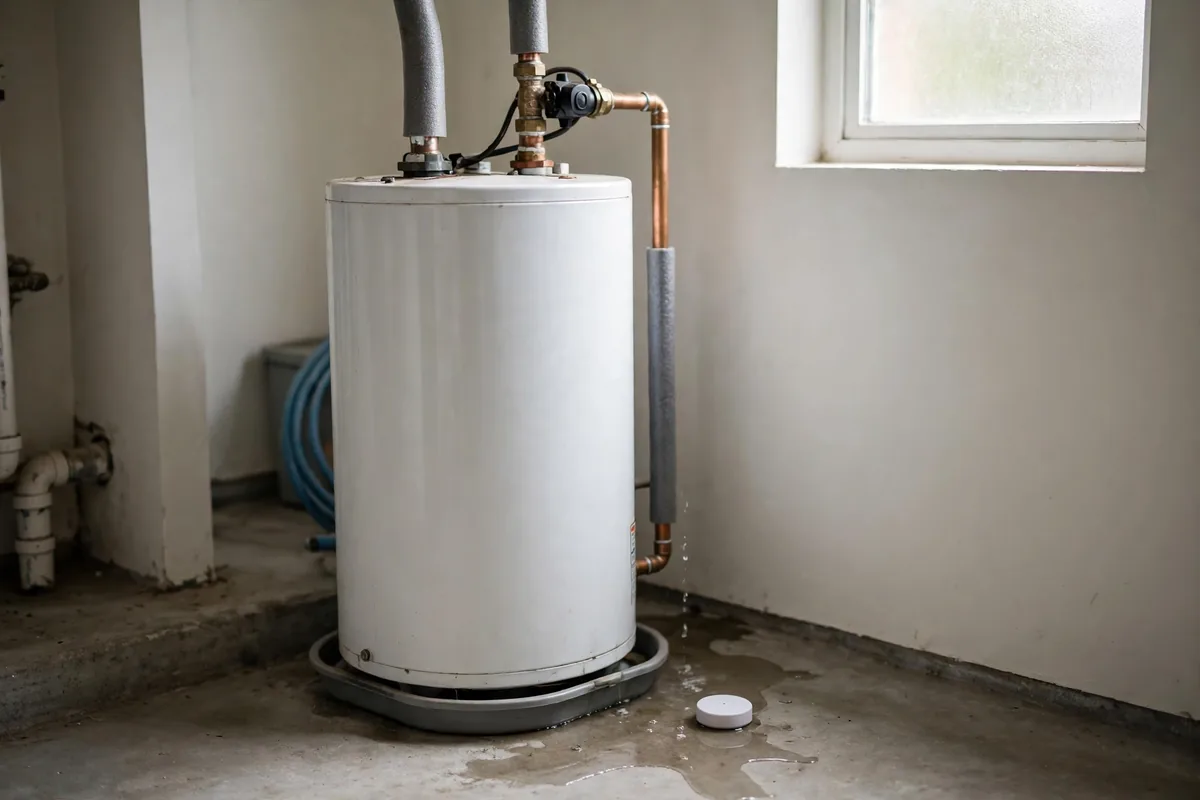
Point sensors are small battery devices placed on the floor where leaks start: they sense water on contact and sound an alarm or send an alert. They are simple and movable, but each one only watches its own few inches of floor.
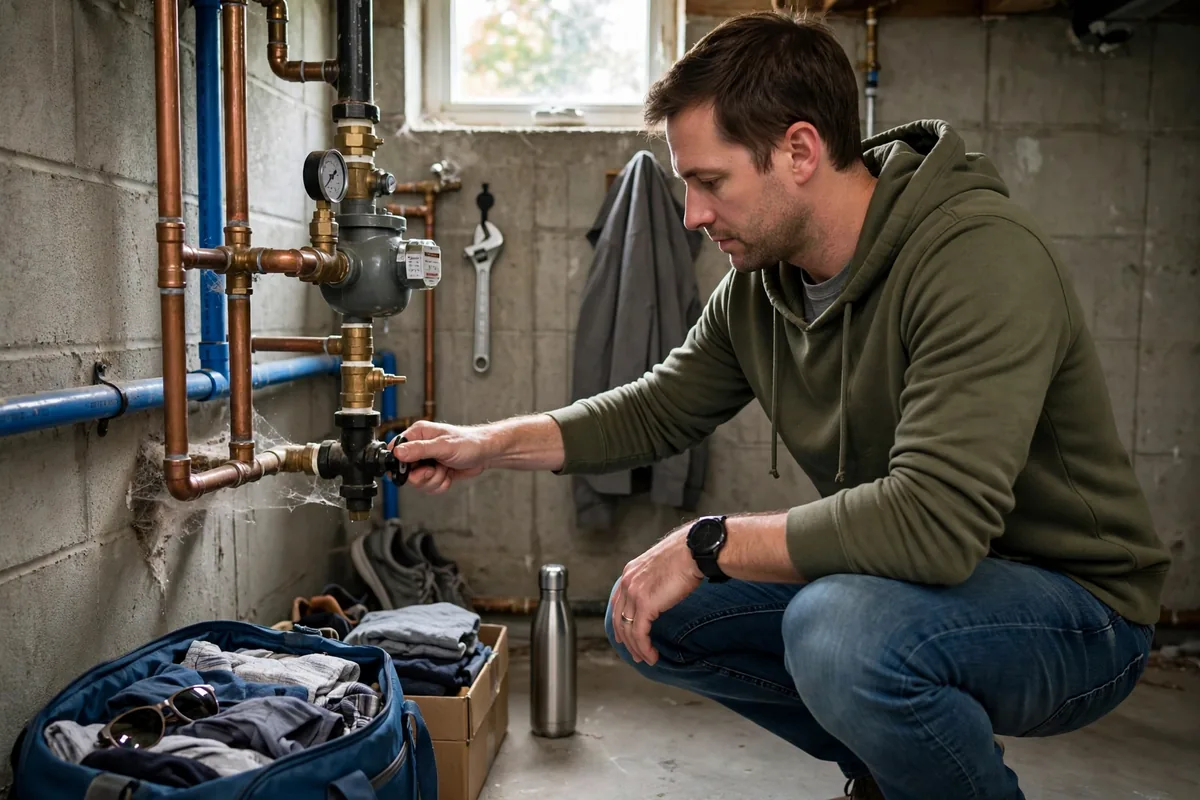
Whole-home monitors work differently: installed on the main water line, they track the flow of all water entering the house and learn its normal patterns. A flow that never stops, or a sudden surge at 3 a.m., looks like a leak — and paired with an automatic shutoff valve, the system can close the main water shutoff itself. That is the only setup that protects against a burst pipe in a wall while you are on vacation. When you compare systems, the key questions are whether the shutoff is automatic or alert-only, whether it works during a power or internet outage, and how it treats normal high-flow uses like irrigation or filling a tub, so it does not shut the house down by mistake.
Where Sensors Earn Their Keep In A Florida Home
Placement decides whether a sensor ever gets wet in time to help. In Florida homes, the highest-value spots follow the usual leak sources.
- Beside the water heater. The tank appliance that heats household water rusts with age and can release its full contents at once — a sensor at its base is cheap insurance.
- Under the washing machine and its hoses. An appliance leak from a failed washer hose is one of the most common big-loss causes; the laundry tray or floor beneath is sensor territory.
- At the air handler. The indoor AC unit's drain pan overflows when its line clogs — the AC condensate overflow that soaks ceilings and closets. Many pans accept a float switch or sensor that can even shut the AC down before the pan spills.
- Under sinks and behind the refrigerator, where supply lines and ice-maker lines fail quietly, plus anywhere a past leak has already shown you a weak point.
Most Florida homes are a slab-on-grade home — built directly on a concrete slab with no crawlspace — so leaks spread sideways under tile and grout and into the subfloor edges before they show. Early alerts matter more here, not less.
What Leak Detectors Cannot Do
These systems have real limits, and knowing them keeps expectations honest. A point sensor cannot feel a slow leak under the slab — a pipe leaking beneath the concrete slab — that spreads under the floor without surfacing near the sensor. A flow monitor can flag that same leak's constant draw, which is one reason the two types pair well.
Detectors also depend on maintenance: batteries die, Wi-Fi drops, and an alert nobody hears is no alert at all, so test devices and keep notifications on for more than one household phone. Older plumbing raises the stakes either way — pipe corrosion thins copper pipe until pinholes appear, and aging cast iron drain pipe and galvanized steel pipe fail on their own schedule, sensors or not. And no detector prevents a roof leak during a storm or an attic pipe problem overhead; they shorten the response, they do not remove the risk. Prevention still includes the unglamorous basics: knowing your main water shutoff location and checking that the valve still turns.
Insurance And Leak Detectors: Ask Your Insurer
Some insurers encourage these systems, and a few offer policy benefits or require protective devices on certain homes — but the details vary widely by company and policy, so the only reliable answer comes from your own insurer. It is a short call worth making: ask whether your policy offers anything for a monitored shutoff system, whether a device must be professionally installed to count, and whether a past water claim changes the answer.
Florida context makes the question sharper: many homes here are covered by Citizens Property Insurance Corporation, the state-created insurer of last resort, or by carriers that have tightened water-damage terms in recent years. Whatever your policy says, keep the receipts and installation records with your insurance documents — if a detector ever proves a leak was caught in minutes instead of days, that timeline is exactly what a claim conversation wants to see. A moisture meter reading taken by a pro after an event adds the same kind of proof.
If A Detector Finds A Leak: The First Hour
When an alert sounds, the first hour decides the size of the job. If the system has not already closed the valve, shut the water off at the main, then find the source if you safely can — a towel-and-bucket leak under a sink is one thing, but do not reach into water near electrical outlets or appliances, and do not open walls.
Move dry belongings out of the wet area, take photos of the source and the spread, and then decide whether it is a pro job: water that has soaked into flooring, a wall, or cabinet bases, or any leak whose source you cannot find, deserves a professional check. This site is a free referral service, not the contractor — one free call connects you with an independent local pro who can typically arrive in 30–60 minutes, measure what is wet with a moisture meter, and set up drying if it is needed. Newer PEX pipe repairs and older metal lines alike are the pro's call to make once the water is off. The detector did its job by calling you early; the rest is just not wasting the head start it gave you.
Common Questions
Partly. A point sensor only alerts if water surfaces near it, and an under-slab leak can spread beneath the floor for weeks first. A whole-home flow monitor is better for under-slab leaks because it can flag water that runs constantly when nothing should be using it. Either way, a suspected slab leak needs a pro's leak detection, not just a sensor.
Start with the water heater base, under the washing machine, at the AC air handler drain pan, and under sinks and the refrigerator line. Add sensors anywhere a leak has happened before. Test them when you place them, and check batteries on a schedule, like smoke alarms.
It might, but there is no standard answer — programs differ by insurer and policy, and some require a monitored whole-home system rather than simple sensors. Ask your insurer directly before buying, and keep installation records either way, because a documented fast catch also helps if you ever file a claim.
A sensor only detects and alerts — you still have to close the water yourself. An automatic shutoff pairs detection with a motorized valve on the main line that closes the water on its own, which is what protects the house when nobody is home. Many whole-home systems combine both in one unit.