Should You Hire A Public Adjuster For A Water Damage Claim?
Reviewed By Hamza · CEO · Updated October 23, 2026
If your Florida home has serious water damage, a neighbor or contractor may tell you to hire a public adjuster for your water damage claim. A public adjuster is a licensed professional you hire to prepare, document, and negotiate your insurance claim on your side — instead of relying only on the adjuster your insurance company sends. For a large or disputed claim, that help can matter. For a small, straightforward one, it may not be worth the fee. This guide explains what public adjusters actually do, how they differ from the insurer's adjusters, when hiring one makes sense, how they are paid, and what to check before you sign anything.
The Short Answer: A Public Adjuster Works For You, Not The Insurer
A public adjuster is your own claims professional: you hire them to document your damage, prepare your claim, and negotiate with your insurance company for you. They do not work for the insurer, and they do not do the repair work — they handle the claim side while a restoration pro handles the drying and repairs.
In Florida, public adjusters are licensed by the state through the Department of Financial Services, which sits under Florida's Chief Financial Officer. That licensing matters because it means there is a real license you can look up, rules they must follow, and a state office that takes complaints. Anyone who offers to adjust your claim for a fee without that license is a red flag, whatever they call themselves.
Public Adjuster, Company Adjuster, Independent Adjuster: What Is The Difference?
There are three kinds of adjusters, and only one of them works for you. A company adjuster is an employee of your insurance company. An independent adjuster is hired by the insurance company, often after a hurricane when claims surge. A public adjuster is hired by you, the policyholder.
The difference shows up in incentives. The insurer's adjusters document the damage too, but they are working a large caseload under the insurer's guidelines. A public adjuster's job is to make sure nothing on your side is missed: the wall cavity — the hollow space inside a framed wall where water hides — that is still wet, the damaged concrete slab, the thick concrete floor most Florida homes sit on, or the mold growth, colonies of mold on wet materials, that started before the first visit. Many Florida homeowners hold policies with Citizens Property Insurance Corporation, Florida's state-created insurer of last resort, and the same three-way split applies there too.
When Does Hiring A Public Adjuster Make Sense?
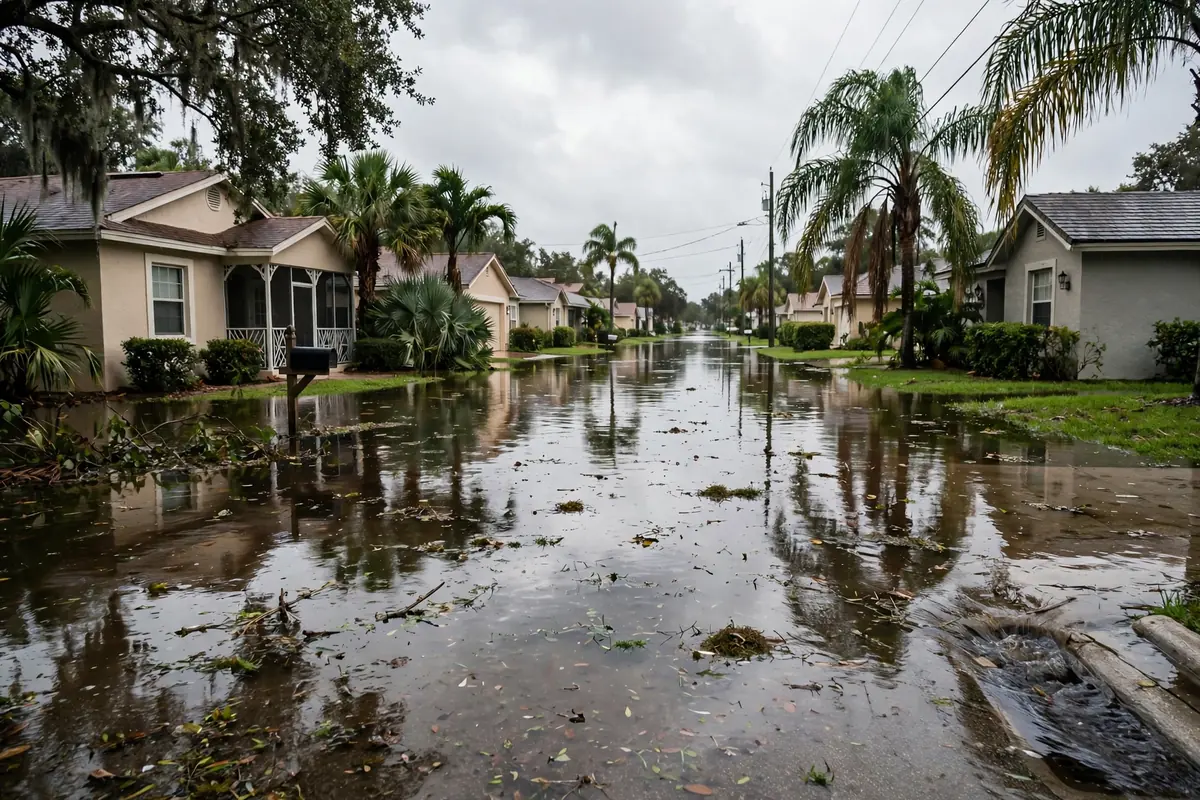
Hiring a public adjuster makes the most sense when the claim is large, complicated, or disputed — for example after storm surge, sea water pushed inland by a storm, floods several rooms, or when the insurer's offer seems to leave out damage you can see. It also makes sense when you simply cannot manage the process yourself because of work, health, or being away from the home.
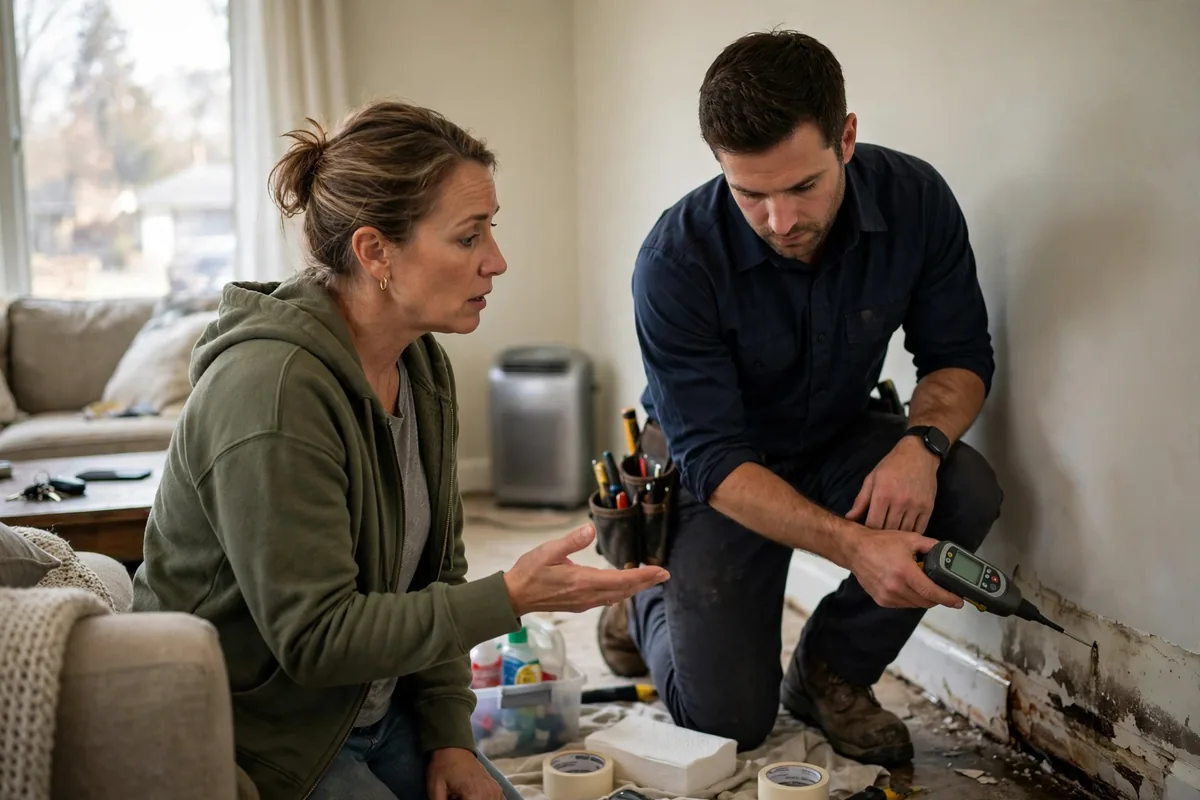
Disagreements usually turn on documentation. If your restoration pro's moisture mapping — the process of measuring and recording exactly which walls, floors, and materials are wet — shows a bigger wet area than the insurer recorded, a public adjuster can present that evidence in the claim's own language. The same applies when a burst pipe, a pressurized pipe that splits and releases a large amount of water, damaged several rooms, or when a slab leak, a leak in a pipe under the slab, ran for weeks before anyone noticed and the insurer questions the timeline.
When Is A Public Adjuster Usually Not Worth It?
For a small, clear-cut claim — one room, an obvious cause, and an insurer who is responding — a public adjuster's fee may take a noticeable share of a small settlement while adding little. If the drying bill is modest and the scope is not disputed, many homeowners handle the claim themselves with good photos and the pro's paperwork.
Timing matters too. A public adjuster cannot undo a cleanup that already threw away the evidence. If damaged drywall, the gypsum wall board that swells when wet, and soaked insulation, the material inside walls that holds moisture, were removed and hauled off with no photos or moisture readings, there is less for any adjuster to work with. Whatever you decide about hiring one, document first: photos, a moisture meter — a handheld tool that measures water inside materials — reading log from the pro, and every receipt.
How Are Public Adjusters Paid?
Public adjusters are usually paid a percentage of the claim settlement, agreed in a written contract before work begins — you should never have to guess what the fee is. Florida rules also set limits and contract requirements in some situations, especially around declared emergencies, and those rules can change, so check the current contract rules on the Florida Chief Financial Officer's website before signing.
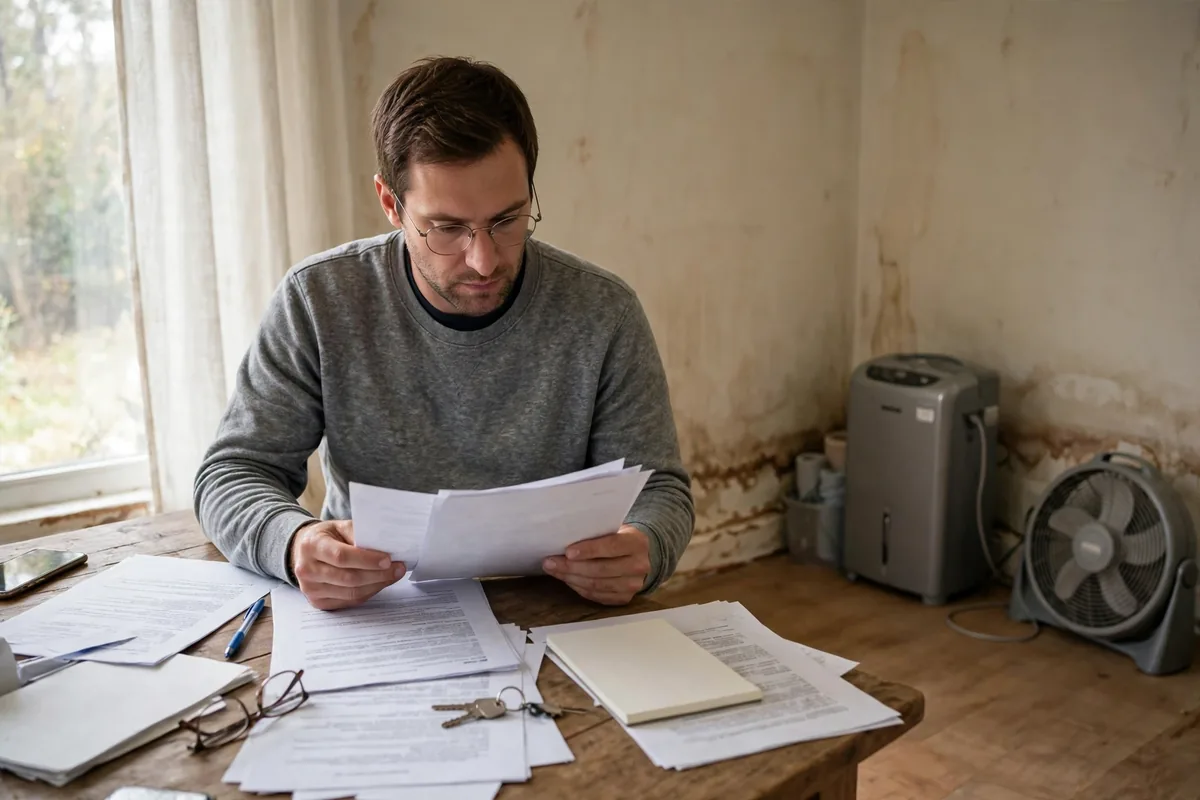
Ask direct questions and get the answers in the contract: What is the exact percentage? Is it charged on the whole settlement or only on the increase above the insurer's first offer? Are there any other fees? What is the cancellation window if you change your mind? A legitimate adjuster will put all of this in writing without pressure. Never pay the full fee up front, and never sign a contract at your door in the first chaotic hours after a loss if you can take a day to read it.
What Should You Check Before Signing A Contract?
Before signing, verify the license, read the whole contract, and confirm the person is not also selling you the repair work. In Florida, a public adjuster is not allowed to act as your contractor on the same claim — the claim side and the repair side are separate roles.
- Look up the license. Florida's Chief Financial Officer site, myfloridacfo.com, is where public adjuster licensing is administered — confirm the license is active and in that person's name.
- Read the fee and cancellation terms. Both belong in the written contract, in plain numbers, before anyone starts.
- Refuse pressure. Urgency tactics after a roof leak or an AC condensate overflow — water spilling when an air conditioner's drain line clogs — are a warning sign, not a service.
- Keep your own file. Photos, the pro's scope of work, and correspondence stay with you, whoever you hire.
What Should You Do First, Adjuster Or Not?
Adjuster or not, two things protect every claim: stop the damage from spreading, and document everything before cleanup changes the scene. Shut off the water if a pipe is still leaking, get drying started fast — mold growth can start within 24 to 48 hours in Florida conditions — and keep the pro's readings and photos.
A restoration pro checks the damage against professional practice described by the IICRC, the Institute of Inspection, Cleaning and Restoration Certification, whose standards describe how drying and structural drying — the planned drying of the building's materials until moisture targets are met — should be documented. That record is what insurers, and public adjusters if you hire one, all work from. This site is a free referral service, not the contractor and not an adjuster: one free call connects you with an independent local pro who can typically arrive in 30–60 minutes to stop the water and start the documentation. Flood damage is a separate track — flood claims run through the National Flood Insurance Program (NFIP), FEMA's flood insurance program, because standard homeowners policies exclude rising flood water — and a public adjuster can discuss that side with you too.
Common Questions
Most public adjusters work on a percentage of the claim settlement, set in a written contract before work begins. Florida rules set requirements and limits in some situations, including after declared emergencies, and the current figures can change. Ask for the exact percentage, what it applies to, and the cancellation terms in writing, and check the current rules on the Florida Chief Financial Officer's website.
No. In Florida the claim role and the contractor role are separate: a public adjuster handles your insurance claim, and a restoration company does the drying and repairs. Be cautious of anyone who offers to do both on the same claim — that is exactly the conflict the separation is meant to prevent.
Usually not. Many homeowners bring in a public adjuster after the first offer arrives and looks too low, or when part of the damage is disputed. The adjuster will want your documentation — photos, moisture readings, and the restoration pro's scope of work — which is why documenting from day one matters even if you file on your own first.
Often not. If the damage is one room, the cause is obvious, and your insurer is responsive, the fee percentage may not be worth it on a small settlement. Where claims are large, involve several rooms, or the scope is disputed, an adjuster's documentation and negotiation help is more likely to earn its fee.
Water Damage Help Near You
Sources
- Florida Chief Financial Officer — Insurance And Adjuster Licensing
- FEMA — Flood Insurance And The NFIP