Flood Insurance In Florida: Why Homeowners Insurance Is Not Enough
Reviewed By Hamza · CEO · Updated October 23, 2026
The flood insurance Florida homeowners actually need is a separate policy, because a standard homeowners policy does not cover flood damage. Homeowners insurance usually covers sudden water from inside the home, like a burst pipe, but it excludes water that rises from outside — storm surge, overflowing canals and heavy-rain flooding. That gap surprises Florida families every hurricane season, usually at the worst possible moment. This guide explains what each policy covers, how the National Flood Insurance Program works, what a flood zone means for your home, and the waiting period that makes buying early so important.
What Homeowners Insurance Covers — And What It Does Not
A standard homeowners policy covers sudden, accidental water damage from inside the home — and excludes flooding, which insurers define as water rising from outside. A burst pipe, a pressurized water pipe splitting and releasing water, or an appliance leak from a washing machine hose are typically covered events. Rain or surge water that flows across the ground and into the house is not.
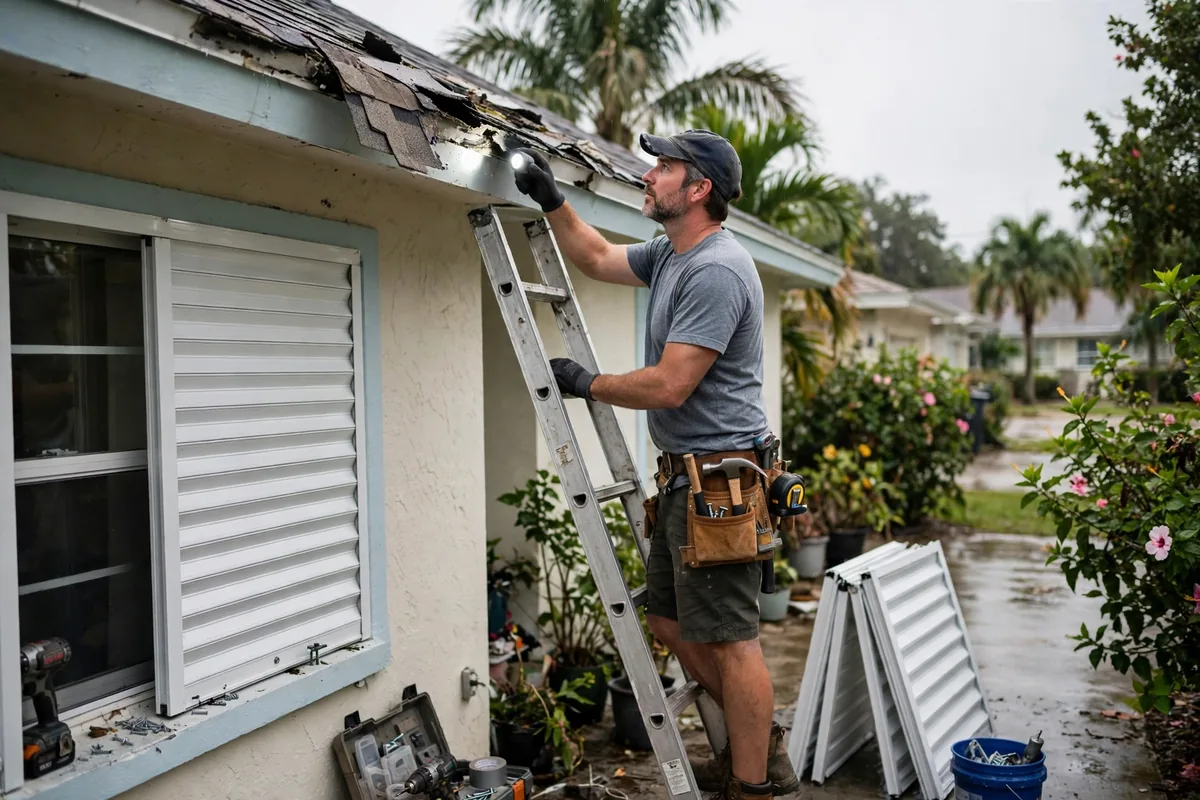
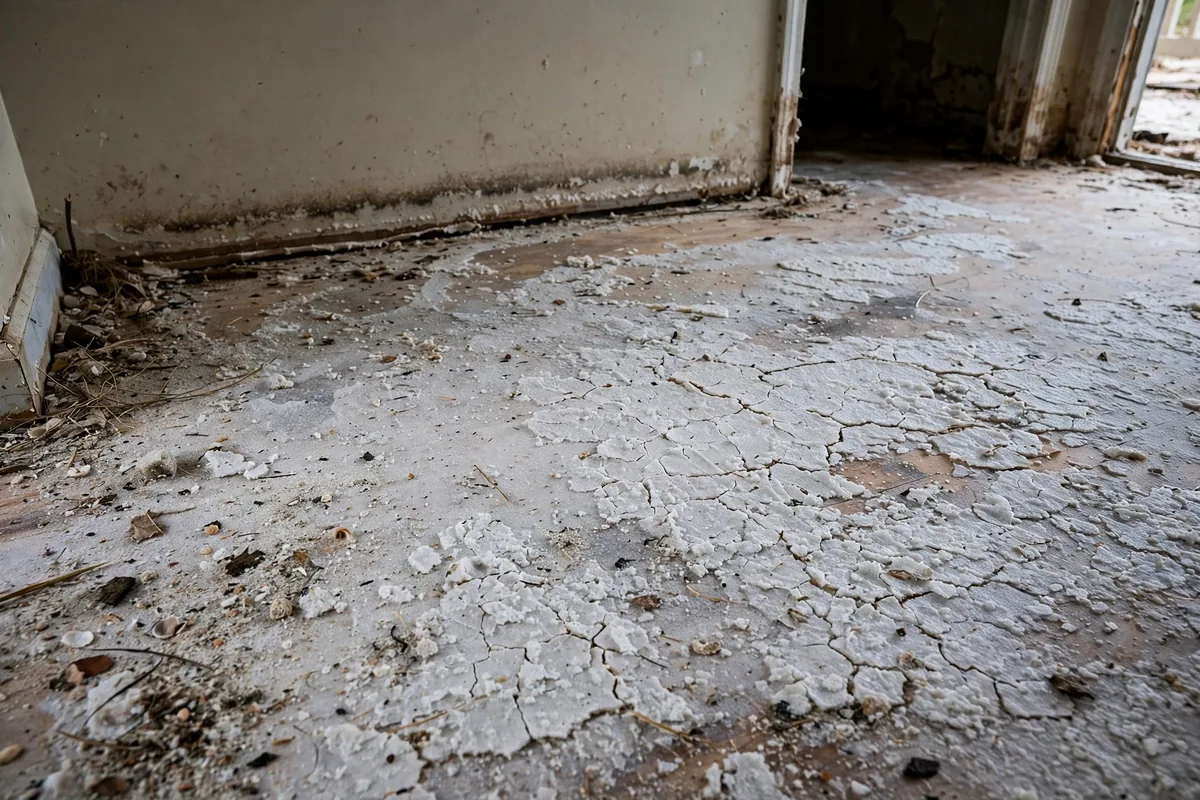
The distinction is the source, not the damage. The same soaked flooring is a covered claim when a pipe bursts and an excluded one when a canal overflows. After a storm, homes can have both kinds of damage at once — a roof leak letting rain in from above, and surge entering at ground level — and the two are handled under different policies. Knowing which is which before a storm is what this guide is for.
What Is The National Flood Insurance Program?
The National Flood Insurance Program (NFIP) is the federal flood insurance program run by FEMA, the Federal Emergency Management Agency, and it is how most Florida flood policies are sold — through regular insurance agents, under federal rules. An NFIP policy covers the building and, if you add it, your contents, as two separate amounts.
NFIP building coverage for a single-family home caps at $250,000, with contents coverage up to $100,000 — enough for many homes, but worth checking against your home's actual rebuilding cost. Private flood insurers also sell policies in Florida and can offer higher limits or different terms, so the NFIP is the baseline to compare, not the only option. Either way, the policy is separate from your homeowners policy, with its own premium and deductible.
Contents coverage deserves its own thought. It is optional, it is chosen as a separate amount, and without it your furniture, appliances, electronics and clothing are uninsured against flood even when the building is covered. Renters can also buy contents-only NFIP coverage for their belongings in a rented home. When you get a quote, ask for building and contents numbers separately so you can see exactly what each dollar of premium buys.
The 30-Day Waiting Period: Why You Cannot Buy Last-Minute
A new NFIP policy typically takes effect 30 days after purchase — so flood insurance cannot be bought when a storm is already on the map. This waiting period is the single most important fact in this guide, because it turns flood insurance into a decision you make in calm weather.
There are narrow exceptions — for example, a policy bought as part of a home purchase or refinance with a federally backed loan can start sooner — but for a homeowner simply deciding to add coverage, plan on the full 30 days. Atlantic hurricane season runs from June 1 to November 30, and the National Hurricane Center, the agency that tracks and forecasts tropical storms, typically sees the busiest stretch in late summer. Counting back 30 days from that peak is the real deadline, not the first storm warning.
Flood Zones: What AE And VE Mean For Your Home
Your home's flood zone, shown on FEMA's flood maps, describes its modeled flood risk — and in high-risk zones, a lender will usually require flood insurance for a mortgage. FEMA flood zone AE is the most common high-risk zone in Florida: land with a 1% annual chance of flooding, where base flood elevations have been calculated. FEMA flood zone VE is the coastal high-hazard zone, where storm waves add to the risk and building rules are stricter.
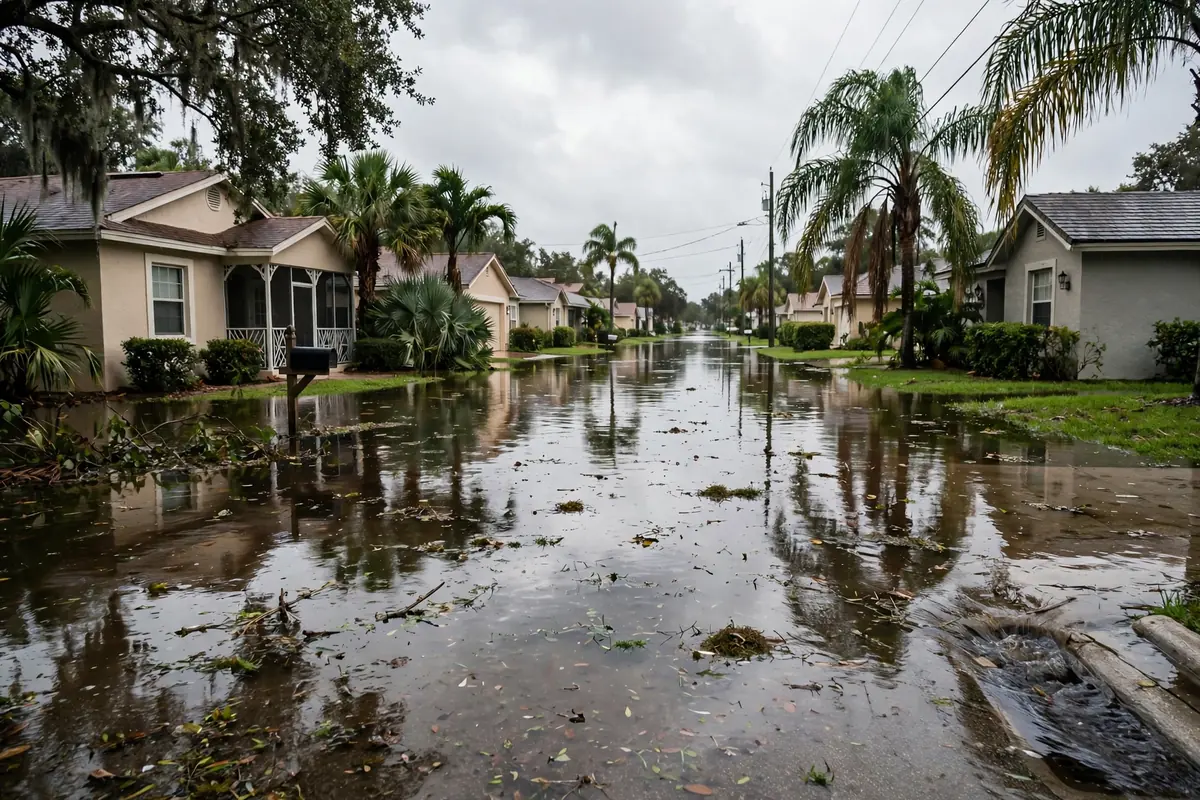
A lower-risk zone does not mean no risk. A high water table — groundwater sitting close to the surface, common across Florida — plus days of heavy rain can produce flash flooding, a rapid rise of water in low areas, well outside the mapped high-risk zones. King tide flooding, the extra-high seasonal tides that push seawater into streets and yards, reaches homes that sit outside zone AE entirely. Check your address on the federal flood maps, and treat the zone as one input — your street's actual drainage and elevation matter too, especially on a slab-on-grade home, a house built on a concrete slab at ground level with no raised floor to spare.
Zones are redrawn from time to time as maps are updated, so a zone you checked years ago may not be the zone on today's map — worth a fresh look before you renew a policy or buy a home. Your insurance agent works from the same maps, and your lender's determination is what governs a mortgage requirement.
Citizens, Private Flood Insurance, And Where To Get Help
Citizens Property Insurance Corporation, Florida's state-created insurer of last resort, writes homeowners policies for people who cannot get coverage elsewhere — but like every homeowners policy, it excludes flood. Having Citizens for your homeowners insurance changes nothing about the flood gap; you still need a separate flood policy.
For preparedness information — evacuation zones, shelter locations, and what your county requires — the Florida Division of Emergency Management is the state's official source, and its site links to each county's emergency management office. Forecasts and storm tracking come from NOAA, the National Oceanic and Atmospheric Administration, through the National Weather Service and the National Hurricane Center. Use those official sources for decisions during a storm, not social media.
What To Do Next, Before The Season Peaks
Do three things now, while the weather is calm: check your home's flood zone on the official flood map, call your insurance agent and ask what flood coverage would look like for your address, and photograph your home and its contents for your records. With the 30-day waiting period, those calls cannot wait for a forecast.
If water does get in — from a flood or from a pipe — fast drying is what limits the damage. This site is a free referral service, not an insurance company and not the contractor: one free call connects you with an independent local water damage pro who can typically arrive in 30–60 minutes to start extraction and drying and to document the damage for whichever policy applies. The pro sets the price for the work; the policies decide who pays. Sorting the insurance out before the water arrives is what makes that call simple.
Common Questions
A standard homeowners policy excludes flood damage — water rising from outside the home — even when a hurricane causes it. Wind damage from the same storm may be covered under the homeowners policy (often with a separate hurricane deductible in Florida), while the water damage needs a flood policy. Check both policies before storm season.
Enough to rebuild your home and replace essential contents. NFIP building coverage caps at $250,000 for a single-family home, which may be less than your rebuilding cost — in that case, ask an agent about private flood policies or excess coverage. An agent can work out the numbers for your address and zone.
Your lender may not require it, but the risk is not zero: heavy rain, a high water table and king tides flood Florida homes outside the mapped high-risk zones every year. Premiums outside high-risk zones are generally lower, so get a quote and decide with the real number rather than the map alone.
At least 30 days before you want it active, because of the NFIP waiting period — which means spring, before the season peaks, is the practical answer. If you are buying a home with a federally backed mortgage, ask your lender and agent whether an exception to the waiting period applies at closing.